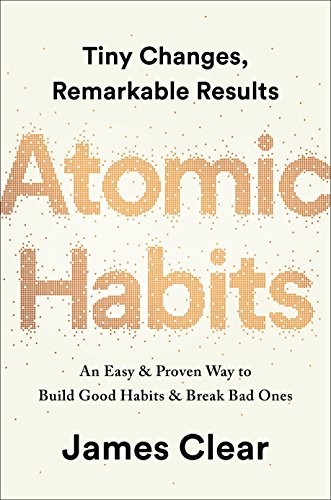
 Book summary
Atomic Habits
The habits mega-bestseller. Its core loops map cleanly onto solid research, with a couple of claims worth taking loosely.
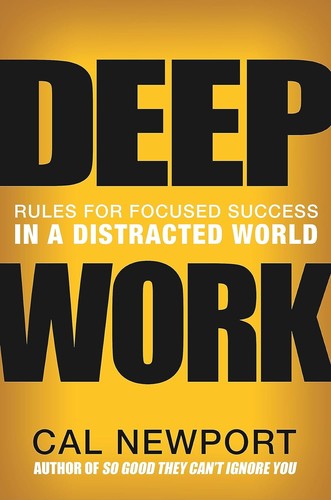 Book summary
Deep Work
The case for long, distraction-free focus blocks. Strong on scheduling practice, looser on some of its scientific framing.
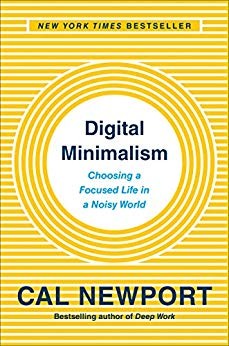 Book summary
Digital Minimalism
A 30-day declutter, then re-admit only the tech that serves something you value. Strong medicine if your procrastination lives in your phone.
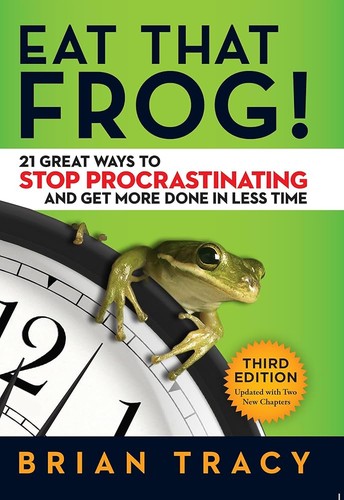 Book summary
Eat That Frog!
Twenty-one short chapters built around one good idea: do the most important, most-avoided task first thing. The rest is padding of varying quality.
 Book summary
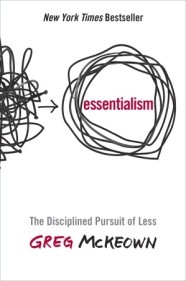
Essentialism
Do less, but better. A productivity-adjacent book that helps most when your procrastination is really an overcommitment problem in disguise.
 Book summary
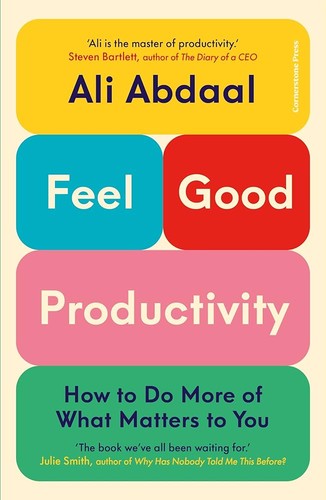
Feel-Good Productivity
Productivity via play, power and people rather than discipline. The procrastination chapters are genuinely on-topic; the science is lighter than the endnotes suggest.
 Book summary
Four Thousand Weeks
The anti-productivity productivity book. Argues you will never clear the list, so choose what to neglect deliberately. A corrective, not a system.
 Book summary
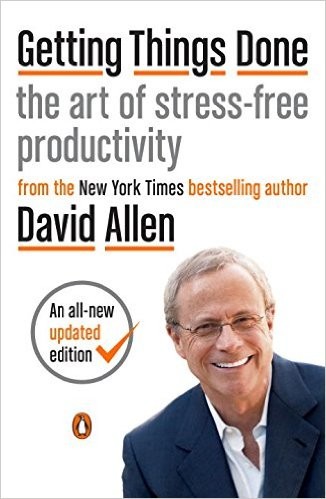
Getting Things Done
The definitive trusted-system book. Genuinely relieves mental load when it runs, and is famously easy to procrastinate on maintaining.
 Book summary
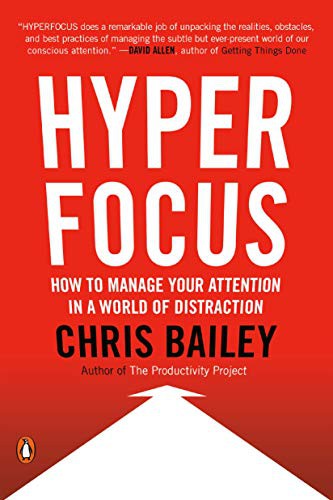
Hyperfocus
A readable attention manual: deliberately fill your attentional space with one thing, then let your mind wander on purpose. Light on procrastination, good on focus.
 Book summary
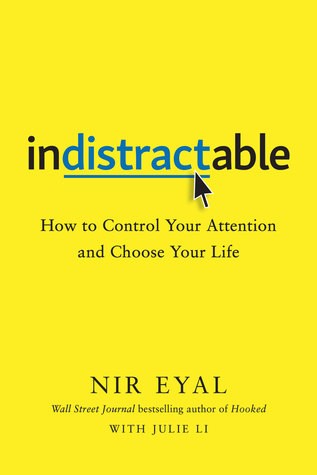
Indistractable
A practical four-part system for distraction from the author of Hooked. Useful timeboxing advice, with a framing that can shade into blaming the user.
 Book summary
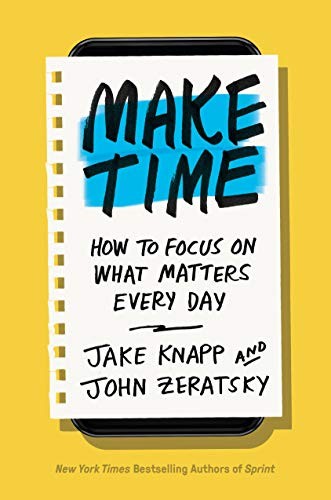
Make Time
Pick one daily highlight, fence off the infinite feeds, run small experiments. A friendly tactic menu from two ex-Google designers, not a system to fail at.
 Book summary
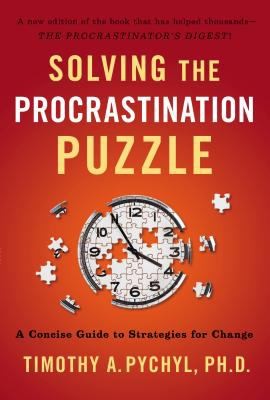
Solving the Procrastination Puzzle
A short book by an actual procrastination researcher. Less flashy than the bestsellers, and more accurate than any of them.
 Book summary
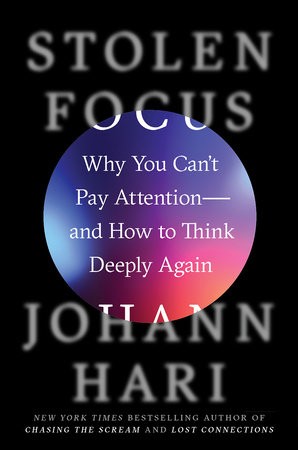
Stolen Focus
Argues your attention was taken, not lost: twelve systemic forces from feed design to sleep debt. Persuasive on the environment, contested on the science, thin on tools.
 Book summary
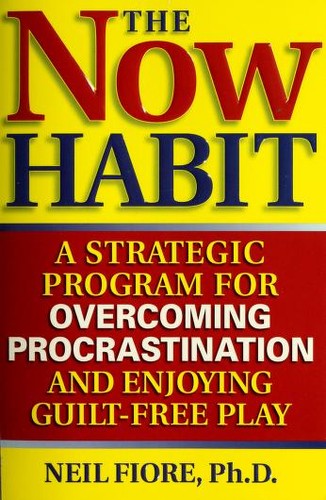
The Now Habit
The 1988 classic that framed procrastination as anxiety, not laziness. Decades old, and its core reframe still matches the research.
 Book summary
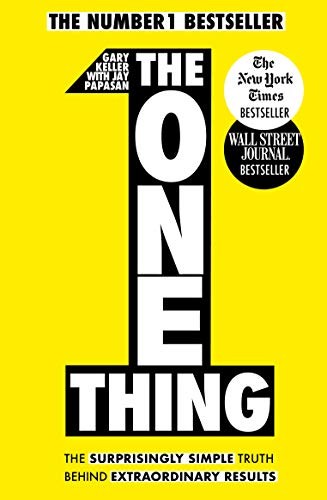
The ONE Thing
One question, one priority, one protected block. Simple and genuinely usable, though it quotes its research more confidently than the research deserves.
 Book summary
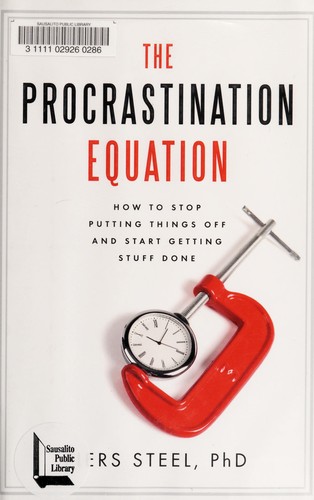
The Procrastination Equation
The most research-grounded book on the shelf, written by the researcher behind the field's biggest meta-analysis. Dense in places, but the formula genuinely explains why you delay.
 Book summary
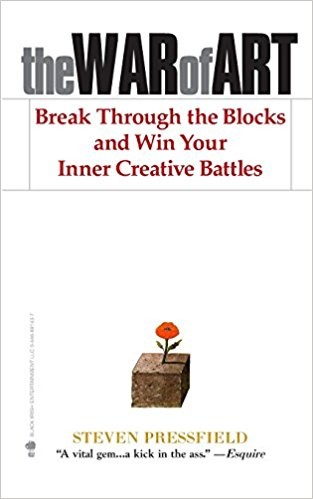
The War of Art
A creative's pep talk that personifies avoidance as 'Resistance'. Zero science, considerable motivational power, best read as literature.
 Book summary
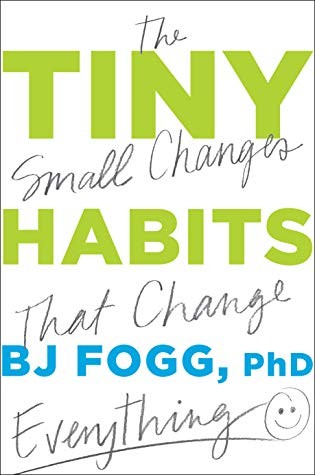
Tiny Habits
Shrink the behaviour until starting is trivial, anchor it to an existing routine, celebrate immediately. The behaviour-design original that Atomic Habits popularised.
 Book summary
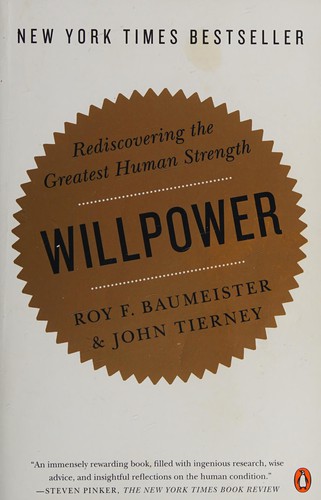
Willpower
The book that made ego depletion famous, shortly before replication attempts knocked the theory down. Read it as history plus some advice that survives on other grounds.