Four Thousand Weeks by Oliver Burkeman, an honest summary
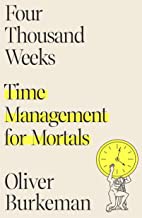
Four Thousand Weeks (2021) argues that an average life is about four thousand weeks long, that you will never get everything done, and that productivity systems promising otherwise feed the problem. Its advice is to accept finitude, choose a few things that matter, and deliberately neglect the rest.
| Author | Oliver Burkeman |
|---|---|
| Published | 2021 |
| Core framework | Embrace finitude; pay yourself first with time, limit work in progress, choose what to neglect |
| Maps to techniques | Time blocking, timeboxing, deep work |
The ideas that hold up
- 'Clearing the decks first' is a real procrastination trap: easy tasks expand to fill the day, so the book's 'pay yourself first' with your most important work is sound.
- Limiting work in progress to a few projects mirrors what makes kanban-style systems effective and reduces the overwhelm that fuels avoidance.
- Its diagnosis that some procrastination is avoidance of finitude, since starting a project means accepting it will be merely finished and imperfect, is a genuinely useful reframe for perfectionists.
Take with a pinch of salt
- It is philosophy and essay, not evidence; almost nothing in it is tested, and it does not claim otherwise.
- If your problem is starting your tax return this week, the book offers perspective but few tools; it works best paired with concrete techniques.
- The dismissal of productivity systems is somewhat overdrawn: for many people a trusted system reduces anxiety rather than feeding it.
Primarily philosophical, drawing on Heidegger and essayists more than on trials; where it touches procrastination it is consistent with the emotion-regulation account.
Sirois, F., & Pychyl, T. (2013). Procrastination and the priority of short-term mood regulation: Consequences for future self. Social and Personality Psychology Compass, 7(2), 115–127. https://doi.org/10.1111/spc3.12011
Related
Frequently asked questions
Is Four Thousand Weeks a productivity book?
It is closer to an anti-productivity book: it argues the race to get everything done is unwinnable and the goal is choosing well. Read it when burnt out on systems, not instead of them.