Digital Minimalism by Cal Newport, an honest summary
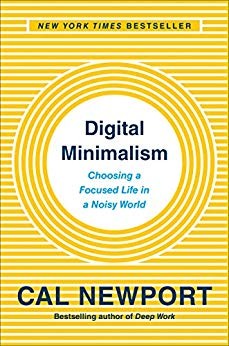
Digital Minimalism (2019) argues for a philosophy, not tips: strip optional technologies out for 30 days, rediscover offline activities, then reintroduce only tools that serve something you deeply value, under rules you set. For procrastinators it targets the supply side, making the default escape hatches less available, rather than the task itself.
| Author | Cal Newport |
|---|---|
| Published | 2019 |
| Core framework | 30-day digital declutter, value-driven reintroduction, solitude, high-quality leisure |
| Maps to techniques | Dopamine detox, environment design, monk mode |
The ideas that hold up
- Removing the escape hatch is sound: procrastination needs somewhere to go, and if the five-second option of a feed is absent, task aversion has less room to win.
- The full-reset-then-reintroduce structure beats moderation attempts for the same reason environment design beats willpower: it changes the situation once instead of fighting it hourly.
- The operating-rules idea, deciding in advance when and how a tool gets used, is an implementation intention applied to technology, and that mechanism is well evidenced.
- Replacing scrolling with planned, higher-quality leisure addresses a real failure mode of detoxes: an empty evening reverts to the phone unless something fills it.
Take with a pinch of salt
- The evidence base is essays, anecdotes from Newport's volunteer cohort, and Thoreau far more than trials; controlled studies of abstinence-style interventions show mixed, modest effects.
- It solves distraction, not avoidance: with the phone in a drawer you can still procrastinate by cleaning, researching or reorganising, and the book has little to say about that.
- The lifestyle prescriptions, long walks, solitude, fixing things with your hands, carry a strong flavour of the author's own tastes and can read as moralising rather than method.
Argument and case study rather than trial data; its strongest mechanism, precommitted rules about tech use, borrows support from the implementation-intentions and situational self-control literatures.
Duckworth, A. L., Gendler, T. S., & Gross, J. J. (2016). Situational strategies for self-control. Perspectives on Psychological Science, 11(1), 35-55. https://doi.org/10.1177/1745691615623247
Related
Dopamine detoxEnvironment designMonk mode
Frequently asked questions
Will Digital Minimalism stop me procrastinating?
It removes the most frictionless places procrastination goes, which for phone-heavy avoiders is a large practical win. It does not touch why the task repels you, so pair it with something that addresses starting, like implementation intentions or a tiny first step.