Ali Abdaal's procrastination video, reviewed against the evidence
Ali Abdaal's 2023 video presents procrastination as an emotional problem and offers fixes drawn from his book Feel-Good Productivity: make the task feel better through play and lower stakes, reduce the friction of starting, and use commitment devices. Much of it is legitimate research, translated into YouTube pacing.
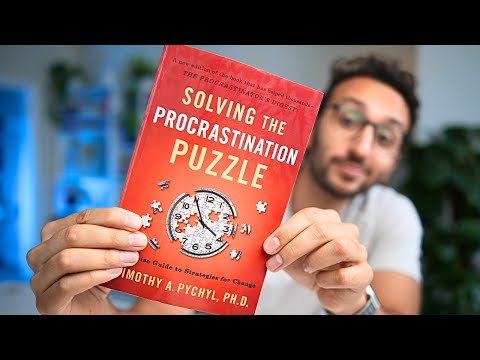
Watching loads the player from youtube-nocookie.com. Video by Ali Abdaal; embedded for review purposes.
| Creator | Ali Abdaal |
|---|---|
| Length | 13 minutes |
| Published | 2023 |
| Type | Creator commentary |
| Best for | An accessible action-first summary of the feel-good approach |
What the video argues
Abdaal frames procrastination as avoidance of how a task makes you feel, then works through remedies: shrink the task until starting feels trivial, make it more enjoyable by adding play or people, lower the stakes to quiet perfectionism, and bind your future self with commitment devices. He is open about drawing on researchers like Pychyl, whom he has interviewed at length, and the video functions as a trailer for his book.
Where it aligns with the research
The emotional framing is correct and matches the mood-repair literature. Shrinking the first step is a cousin of 'just get started', which Pychyl's work supports, and commitment devices have their own evidence base. The temptation-bundling idea, pairing an aversive task with something pleasant, is a real, tested intervention from Milkman's gym study. The bones of this video are sound.
The honest criticism
The title promises forever and the video cannot deliver it; no single watching of anything ends chronic procrastination, and the research on interventions shows effects that need maintenance. The pacing also flattens everything to the same weight, so a heavily evidenced idea and a personal anecdote land identically. And viewers in a genuine anxiety-avoidance spiral will find the relentless cheerfulness slightly beside the point; Sirois's self-compassion material meets that situation better.
A creator translation of real research, mostly accurately attributed. The weaknesses are packaging, overpromise and uniform confidence, rather than fabrication.
Milkman, K. L., Minson, J. A., & Volpp, K. G. M. (2014). Holding the Hunger Games hostage at the gym: An evaluation of temptation bundling. Management Science, 60(2), 283-299. https://doi.org/10.1287/mnsc.2013.1784
Related
Feel-Good ProductivityTemptation bundlingPrecommitment devicesMilkman's temptation-bundling study
Frequently asked questions
Is Ali Abdaal's procrastination advice evidence-based?
Largely yes: the core ideas trace to Pychyl, Milkman and the emotion-regulation literature, and he names his sources more than most creators. Discount the title's promise of permanence and treat it as an entry point rather than a complete method.