Tim Pychyl's Deep Dive interview: the researcher, at length
In this 2022 episode of Ali Abdaal's Deep Dive podcast, Carleton University's Tim Pychyl, who ran the Procrastination Research Group for over two decades, explains procrastination as emotion regulation, why 'just get started' is the whole game, and how implementation intentions bridge the intention-action gap. It is the closest most people will get to a tutorial from the researcher himself.
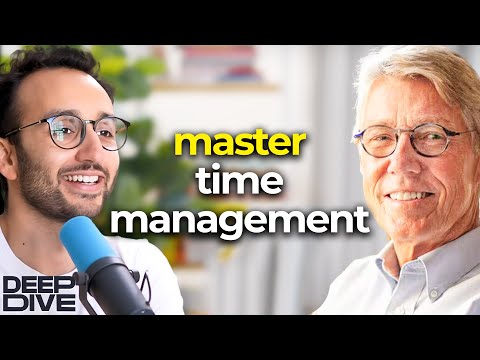
Watching loads the player from youtube-nocookie.com. Video by Deep Dive with Ali Abdaal, featuring Dr Tim Pychyl; embedded for review purposes.
| Creator | Deep Dive with Ali Abdaal, featuring Dr Tim Pychyl |
|---|---|
| Length | 81 minutes |
| Published | 2022 |
| Type | Long-form interview |
| Best for | The full emotion-regulation account from the researcher who built it |
What the interview covers
Pychyl walks through his core claims: procrastination is a form of emotion regulation, not time management; the task you avoid is a task you resent, fear or find meaningless; and the intervention that works is shrinking the threat, just get started on some small, concrete next action, because motivation follows action rather than preceding it. He covers implementation intentions, self-compassion after lapses, and why he is sceptical of productivity culture's obsession with optimising schedules. Abdaal mostly stays out of the way, which is the right call.
Where it matches the research
This is the research, spoken by one of its authors. The mood-repair account comes from Pychyl's own studies, the 'just get started' advice reflects his experience-sampling finding that people feel better about a task once they begin it than they predicted, and the implementation intentions material rests on Gollwitzer's meta-analysis. Nothing said in the interview conflicts with the literature our research library covers, which is not something we can write about most videos here.
The honest criticism
It is an 81-minute conversation, not a structured lecture, so the practical content arrives in fragments and you have to assemble the method yourself. Some stretches wander into podcast small talk. And Pychyl's framing can feel deflationary: 'just get started' is correct but underdescribes how hard starting is for people with ADHD or depression, which the interview only touches in passing. Budget the time, take notes, or read his book instead, it covers the same ground in a more organised way.
The interview is grounded in Pychyl's own published work and the wider implementation-intentions literature. It is the most evidence-dense video on this list.
Pychyl, T. A., Lee, J. M., Thibodeau, R., & Blunt, A. (2000). Five days of emotion: An experience sampling study of undergraduate student procrastination. Journal of Social Behavior and Personality, 15(5), 239-254.
Gollwitzer, P. M., & Sheeran, P. (2006). Implementation intentions and goal achievement: A meta-analysis of effects and processes. Advances in Experimental Social Psychology, 38, 69-119. https://doi.org/10.1016/S0065-2601(06)38002-1
Related
Solving the Procrastination PuzzlePychyl's mood repair studyImplementation intentions meta-analysisImplementation intentions
Frequently asked questions
Should I watch the interview or read Pychyl's book?
The book, Solving the Procrastination Puzzle, is shorter than the interview and better organised. Watch the interview if you absorb more from conversation, or as a companion after reading.